
Since 1960, energy consumption rates have consistently risen, driven by the growing reliance on digital systems and the adoption of new technologies. In 1960, the average building was drawing roughly 22 Billion kWh. Today, the most recently available figure sits around 113 kWh. Modern buildings are now requiring over 5 times as much energy as they were 50 years ago.
However, over half of U.S. commercial buildings were built before 1980, even as electrical loads continue to rise. In 1980, electrical consumption rates were half of what they are today. As a result, electrical system failures now account for more than $1.5 billion in damage annually.
If your electrical system was designed decades ago, it may already be operating beyond its intended capacity.
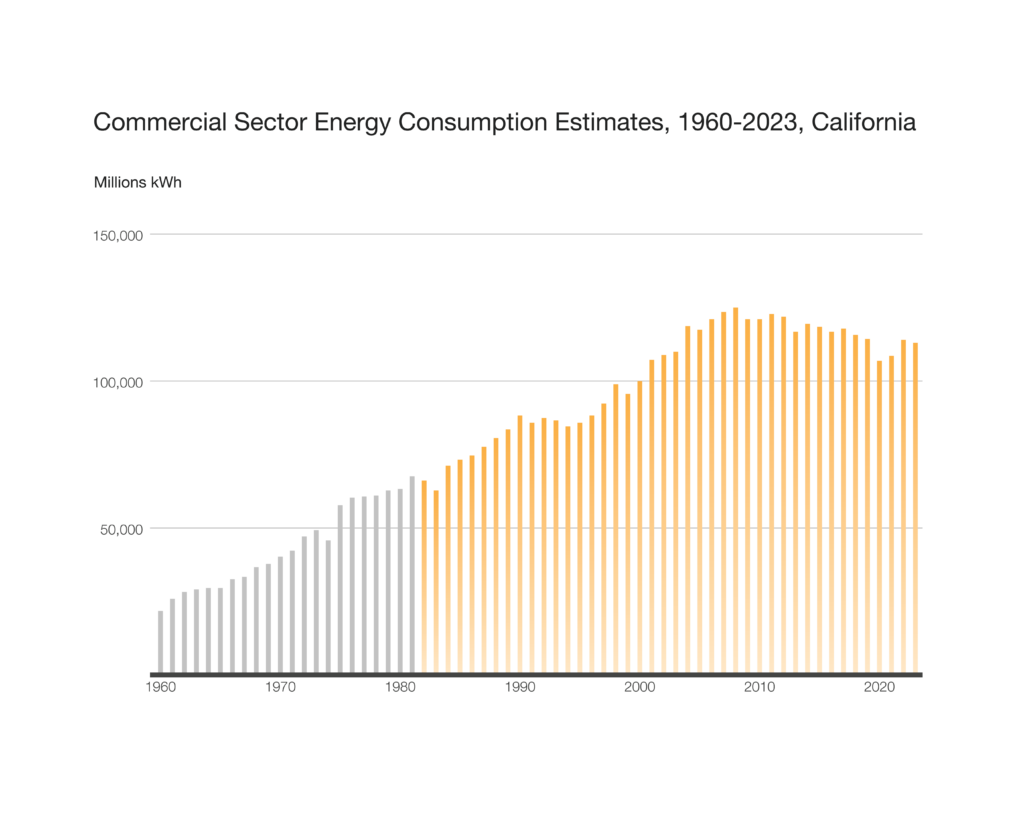
Since 1960, energy consumption rates have consistently risen, driven by the growing reliance on digital systems and the adoption of new technologies. In 1960, the average building was drawing roughly 22 Billion kWh. Today, the most recently available figure sits around 113 kWh. Modern buildings are now requiring over 5 times as much energy as they were 50 years ago.
However, over half of U.S. commercial buildings were built before 1980, even as electrical loads continue to rise. In 1980, electrical consumption rates were half of what they are today. As a result, electrical system failures now account for more than $1.5 billion in damage annually.
If your electrical system was designed decades ago, it may already be operating beyond its intended capacity.
Modernizing service equipment improves reliability, reduces downtime, and supports new technologies like automation and EV charging. Modern equipment and properly sized circuits allow your building to handle growing power demands reliably and safely, keeping operations running without interruption.

Overloaded circuits, loose connections, and aging components can lead to nuisances like tripping and equipment failure. Modern service equipment eliminates these problems, delivering consistent power distribution throughout buildings and reducing the risk of electrical issues. Upgrading your service provides a stronger foundation for daily operations and creates a reliable electrical system.

Electrical failures can halt production, disrupt tenants, and create costly delays. Modern service equipment is designed to handle today’s larger electrical loads more efficiently than older systems, helping prevent outages and downtime. By reducing unplanned shutdowns and downtime, your team spends less time reacting to electrical failures and problems, and more time staying productive.

Older systems often can’t keep up with the addition of EV chargers, data systems, high efficiency HVAC, and other modern technologies and amenities. Service upgrades ensure adequate capacity and proper distribution to support this kind of expansion, positioning facilities to adopt new technologies with confidence, instead of facing limitations from outdated infrastructure.
Modernizing service equipment improves reliability, reduces downtime, and supports new technologies like automation and EV charging. Modern equipment and properly sized circuits allow your building to handle growing power demands reliably and safely, keeping operations running without interruption.
Overloaded circuits, loose connections, and aging components can lead to nuisances like tripping and equipment failure. Modern service equipment eliminates these problems, delivering consistent power distribution throughout buildings and reducing the risk of electrical issues. Upgrading your service provides a stronger foundation for daily operations and creates a reliable electrical system.
Electrical failures can halt production, disrupt tenants, and create costly delays. Modern service equipment is designed to handle today’s larger electrical loads more efficiently than older systems, helping prevent outages and downtime. By reducing unplanned shutdowns and downtime, your team spends less time reacting to electrical failures and problems, and more time staying productive.
Older systems often can’t keep up with the addition of EV chargers, data systems, high efficiency HVAC, and other modern technologies and amenities. Service upgrades ensure adequate capacity and proper distribution to support this kind of expansion, positioning facilities to adopt new technologies with confidence, instead of facing limitations from outdated infrastructure.
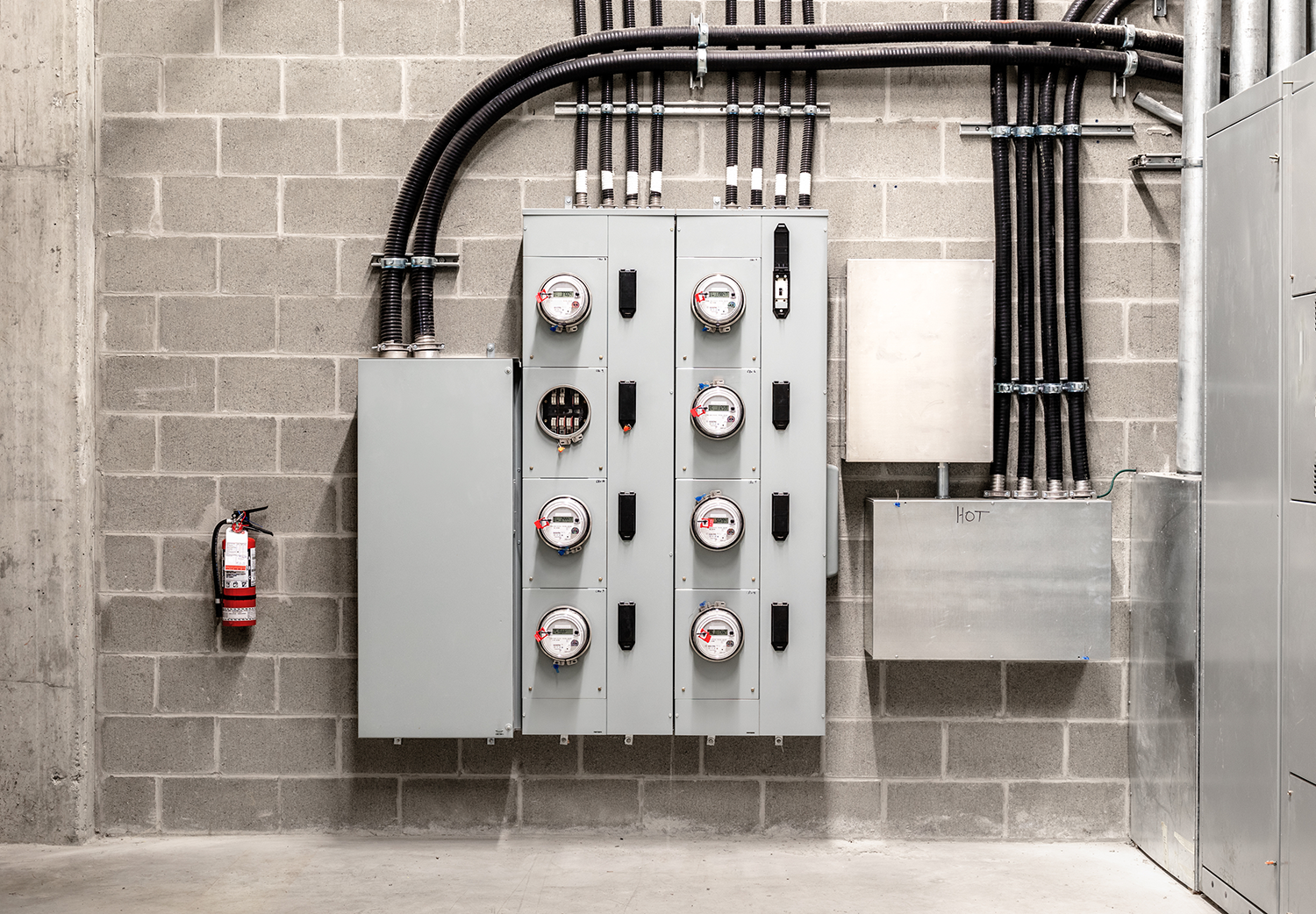
At Elson Electric, we support clients across California and Nevada with comprehensive service upgrades that improve safety, increase electrical capacity, and ensure systems are ready for the demands of modern operations.
At Elson Electric, we support clients across California and Nevada with comprehensive service upgrades that improve safety, increase electrical capacity, and ensure systems are ready for the demands of modern operations.
Comprehensive service upgrades, including system evaluation, design, permitting, panel and wiring upgrades, installation, and testing.
Ensuring your electrical system meets all codes and regulations, backed by our licensed expertise and safety-first approach to all projects.
Comprehensive service upgrades, including system evaluation, design, permitting, panel and wiring upgrades, installation, and testing.
Ensuring your electrical system meets all codes and regulations, backed by our licensed expertise and safety-first approach to all projects.
If you’re considering an electrical service upgrade or want to assess your current system’s capacity, our team is here to help.
Send us a message, and we’ll be in touch shortly:






If you’re considering an electrical service upgrade or want to assess your current system’s capacity, our team is here to help.
Send us a message, and we’ll be in touch shortly:
U.S. Energy Information Administration, SEDS 1960-2023
U.S. Energy Information Administration, A Look at the U.S. Commercial Building Stock: Results from EIA’s 2012 Commercial Buildings Energy Consumption Survey (CBECS), 2015
Electrical Safety Foundation International. “Electrical Safety for First Responders.” ESFI, December 2, 2025 (CBECS)”