
The first successful electric vehicle was debuted by William Morrison in 1890, with a top speed of 14 miles per hour. Today’s EVs are a completely different breed, now seeing widespread adoption nationally as an alternative to gas-powered vehicles.
As EVs become a common sight on American roads, charging infrastructure is more needed than ever before. While over 250,000 charging ports are available to the public across the U.S. as of 2025, compare that to the 28 million estimated ports the National Renewable Energy Laboratory estimates will be needed by 2030 to support EV demand.
With the surge in EV adoption nationwide, and the inherent need for more charging stations, installing charging infrastructure now may pay dividends over the long run — helping properties stay competitive as demand for EV-capable buildings increases.
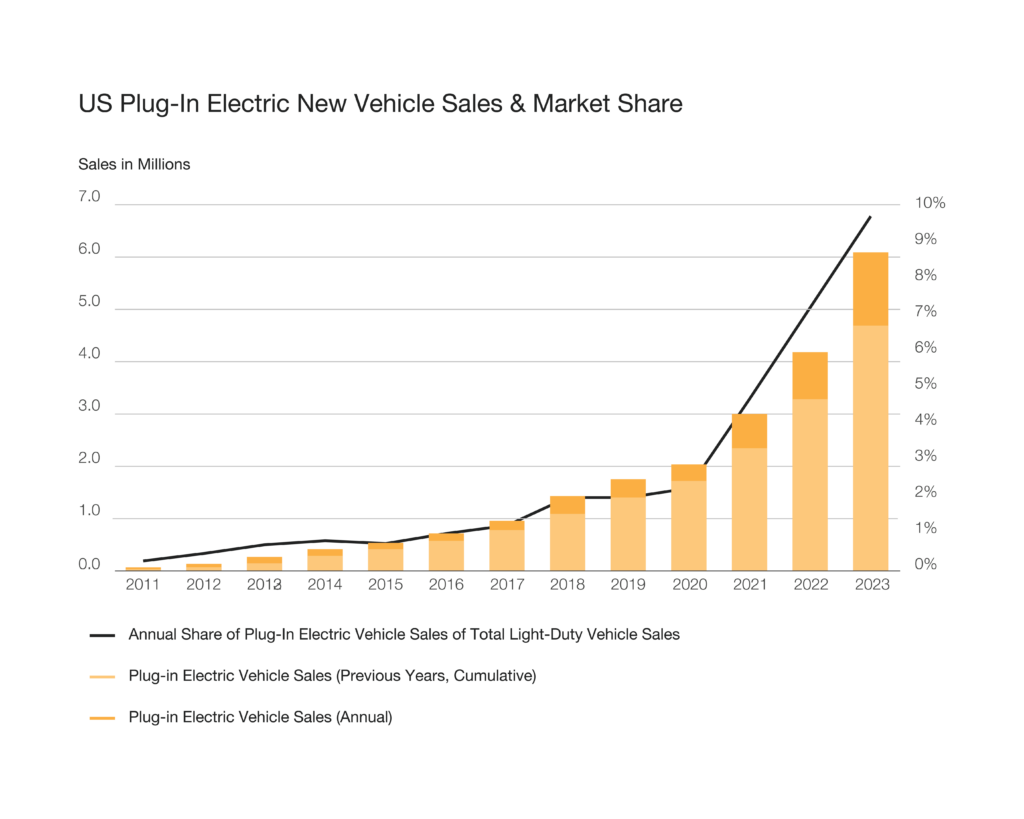
The first successful electric vehicle was debuted by William Morrison in 1890, with a top speed of 14 miles per hour. Today’s EVs are a completely different breed, now seeing widespread adoption nationally as an alternative to gas-powered vehicles.
As EVs become a common sight on American roads, charging infrastructure is more needed than ever before. While over 250,000 charging ports are available to the public across the U.S. as of 2025, compare that to the 28 million estimated ports the National Renewable Energy Laboratory estimates will be needed by 2030 to support EV demand.
With the surge in EV adoption nationwide, and the inherent need for more charging stations, installing charging infrastructure now may pay dividends over the long run — helping properties stay competitive as demand for EV-capable buildings increases.
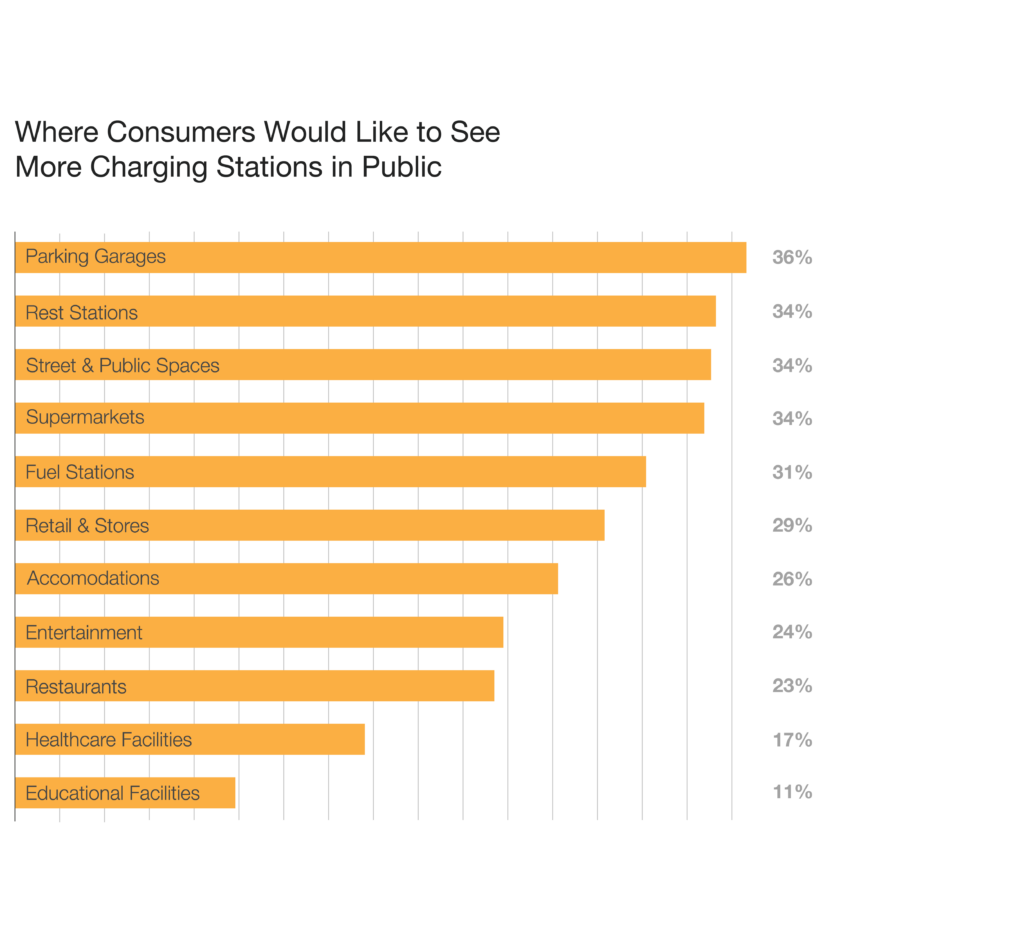
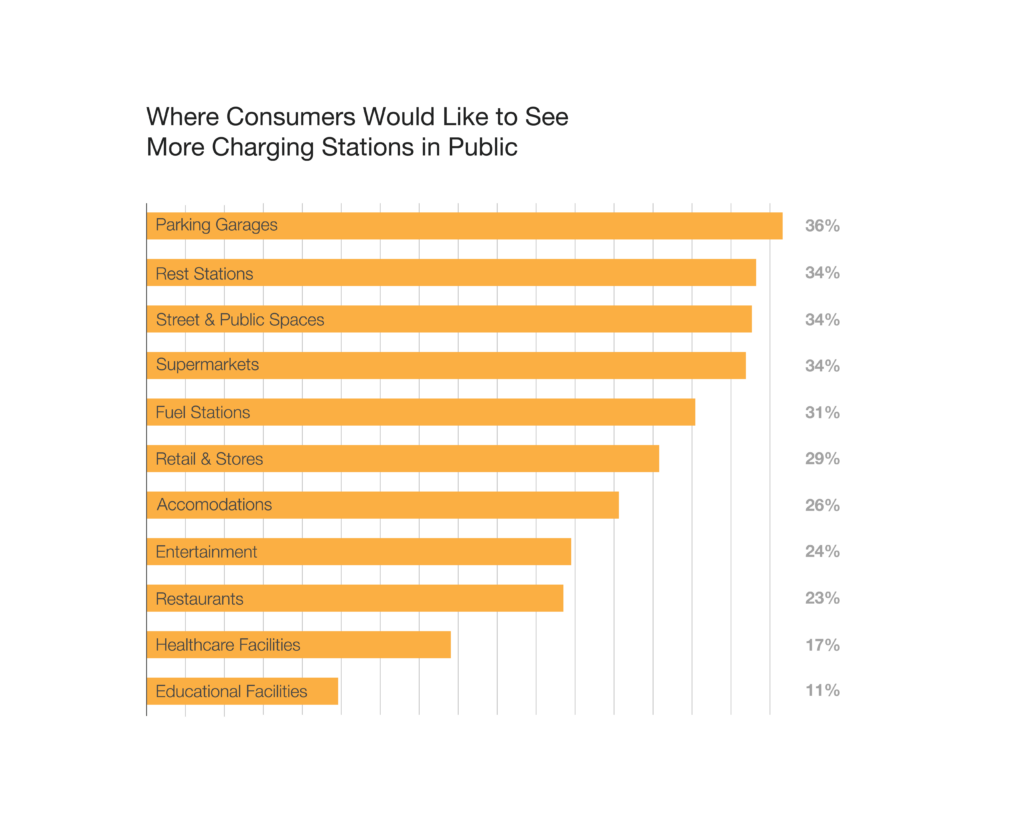
While EV ownership rates are growing rapidly, access to charging stations outside the home is often a concern for EV owners. A study by Boston Consulting Group found the top locations consumers listed as places they would like to see more EV charging stations.
In essence, EV owners are looking for the same infrastructure that supports gas-powered vehicles–– widespread and convenient. This positions property owners that have installed charging ports on-site as leaders in the growing movement toward extensive charging infrastructure.
While EV ownership rates are growing rapidly, access to charging stations outside the home is often a concern for EV owners. A study by Boston Consulting Group found the top locations consumers listed as places they would like to see more EV charging stations:
In essence, EV owners are looking for the same infrastructure that supports gas-powered vehicles–– widespread and convenient. This positions property owners that have installed charging ports on-site as leaders in the growing movement toward extensive charging infrastructure.
Many businesses report meaningful benefits after installing workplace or commercial EV chargers, including:

Commercial properties equipped with EV charging infrastructure are seen as more modern and may increase property value and tenant appeal. Studies and industry commentary indicate charging stations can boost property desirability and marketability.

Properties with chargers appeal to EV-driving tenants and customers. EV charging is increasingly a factor in tenant location decisions and can drive foot traffic, helping businesses attract and retain tenants and visitors.

EV charger installations signal environmental commitment and can strengthen corporate sustainability profiles. EV charging infrastructure supports green initiatives, enhancing a property’s image as environmentally responsible.
Many businesses report meaningful benefits after installing workplace or commercial EV chargers, including:
Commercial properties equipped with EV charging infrastructure are seen as more modern and may increase property value and tenant appeal. Studies and industry commentary indicate charging stations can boost property desirability and marketability.
Properties with chargers appeal to EV-driving tenants and customers. EV charging is increasingly a factor in tenant location decisions and can drive foot traffic, helping businesses attract and retain tenants and visitors.
EV charger installations signal environmental commitment and can strengthen corporate sustainability profiles. EV charging infrastructure supports green initiatives, enhancing a property’s image as environmentally responsible.
The installation of EV chargers has numerous benefits for diverse settings:

For offices and workplaces, EV charging is an increasingly sought-after amenity:
EV-driving employees value chargers: Workplace EV charging is a valued amenity by employees and can increase employee satisfaction and retention.
Aligns with sustainability goals: The installation of charging stations positions companies as environmentally conscious and focused on green initiatives.

For retail businesses, adding EV chargers can:
Drive more foot traffic: A Consumer Reports study found that retail locations with EV charging can see about 4% more foot traffic and 5% more revenue on average.
Lengthen customer dwell-time: Many charging sessions last upwards of 40–60 minutes, which can keep customers on-site for extended periods.
For offices and workplaces, EV charging is an increasingly sought-after amenity:
EV-driving employees value chargers: Workplace EV charging is a valued amenity by employees and can increase employee satisfaction and retention.
Aligns with sustainability goals: The installation of charging stations positions companies as environmentally conscious and focused on green initiatives.
For retail businesses, adding EV chargers can:
Drive more foot traffic: A Consumer Reports study found that retail locations with EV charging can see about 4% more foot traffic and 5% more revenue on average.
Lengthen customer dwell-time: Many charging sessions last upwards of 40–60 minutes, which can keep customers on-site for extended periods.
“Retailers are uniquely positioned to address America’s charging challenge because they have easily accessible, convenient locations in virtually every community.”
— Drew Toher, Sustainability Campaign Manager at Consumer Reports
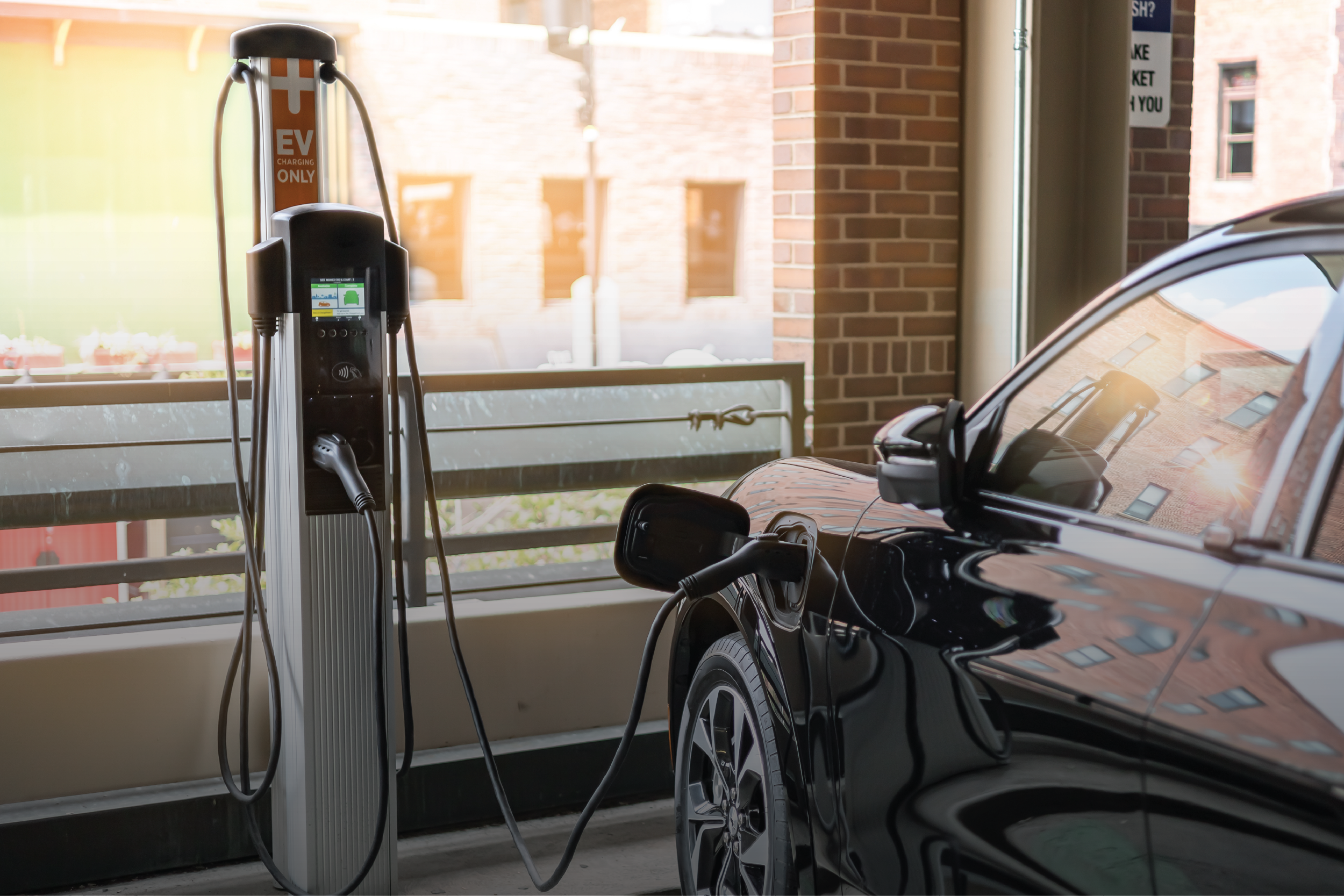
We are no stranger to the benefits EV charging can bring to businesses and workplaces, having helped numerous organizations implement them. Whether you’re looking to install L1, L2, or DC fast chargers, we’ve got you covered.
At Elson Electric, we support clients across California and Nevada with comprehensive service upgrades that improve safety, increase electrical capacity, and ensure systems are ready for the demands of modern operations.

Full-service EV-charger installation including site evaluation, load calculations, permitting, electrical work, installation, testing, and commissioning.

Compliance and safety-first approach, backed by our electrical expertise and licensing.
Comprehensive service upgrades, including system evaluation, design, permitting, panel and wiring upgrades, installation, and testing.
Ensuring your electrical system meets all codes and regulations, backed by our licensed expertise and safety-first approach to all projects.
If you’re considering installing EV chargers or want to learn more about your options, our team is here to help.
Send us a message, and we’ll be in touch shortly:






If you’re considering installing EV chargers or want to learn more about your options, our team is here to help.
Send us a message, and we’ll be in touch shortly:
1 U.S. Department of Energy, “The History of the Electric Car”
2 Congressional Research Service, “EV Charging Infrastructure: Frequently Asked Questions” report, CRS Report R48351
3 Joint Office of Energy and Transportation, “Electric Vehicle Charging Infrastructure Growth”
4 SourceForward, “Top Five Benefits of EV Charging Stations for Commercial Properties”
5. FLO “Survey Results: Most EV Drivers Rely on Fast Chargers for Long Trips, Use Onsite Amenities While Charging”
6 Lynkwell, “Electrifying Retail Marketing: How EV Charging Drives Retail Growth”
7 Consumer Reports, “Study finds retailers could be key to expanding EV charging”
8 OLINK, “Workplace with EV Charging — What Are the Advantages”